What the North Taught Me About Belonging
By Olive Ozoemena, Director of Programs, Language & Labour Market
Leadership is often described in terms of strategy, influence, or results. But after two weeks traveling through Nunavut as part of the Governor General’s Canadian Leadership Conference 2026, I find myself thinking about leadership in a much simpler, yet deeper way. Leadership is about how we show up for one another.
Before we even left for the conference, our Nova Scotia regional co-chairs warned us. They said that when people ask how the trip was, we would struggle to find a single sentence to describe it. That no one would truly understand unless they were there. I did not fully believe that until I came home, and when people now ask me how my trip was, I still do not have an answer.
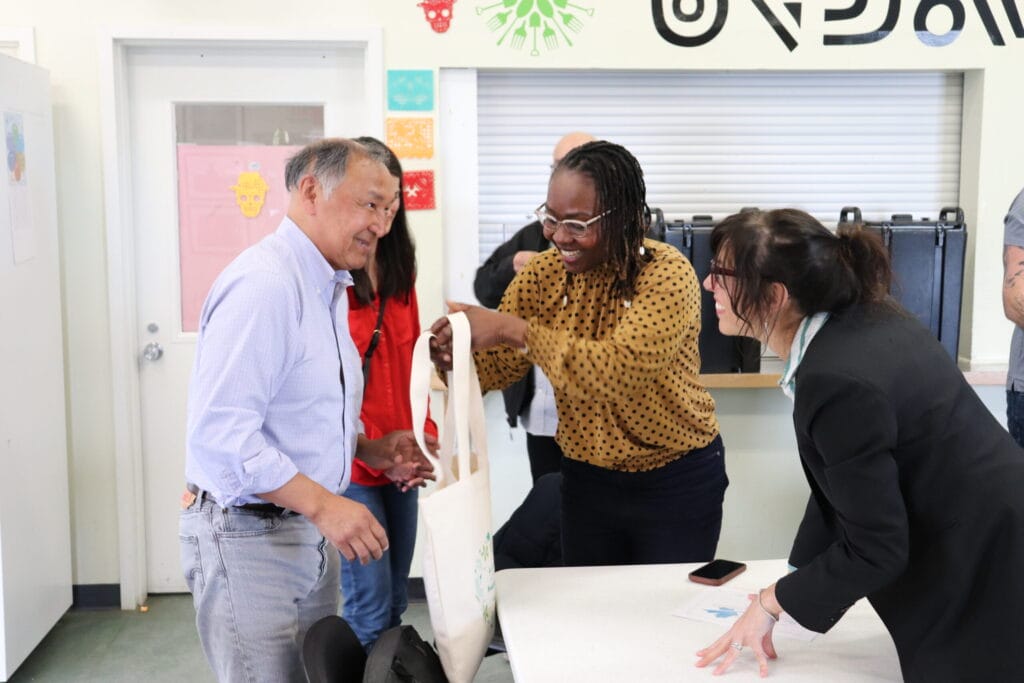
At the opening plenary in Quebec City, we heard a challenge that our group carried north with us. One of Canada’s deepest problems is that we simply do not know each other well enough. Most of us arrived in Nunavut as visitors from the South, carrying fragments of ideas about the territory, maps, headlines, policy briefs, assumptions, and questions we did not yet know how to ask.
Our journey took us across several Nunavut communities, thousands of kilometres apart, offering a small glimpse into a place far larger than our ability to summarize it. Some of what follows draws on language my group used in our official presentation, since it captured the shape of what we lived through together. But these reflections, and where they take me, are my own.
We framed our experience around three movements: wonder, reckoning, and responsibility. We began in beauty, connection, and awe. We walked in the midnight sun, shared meals of arctic char, caribou, and bannock, and watched a community gather to celebrate a marriage with the same warmth they extended to us as strangers. There was a wisdom in the way people lived that was quiet, unhurried, rooted in land, family, and one another. I felt something loosen in me, a pace I had not realized I was keeping.
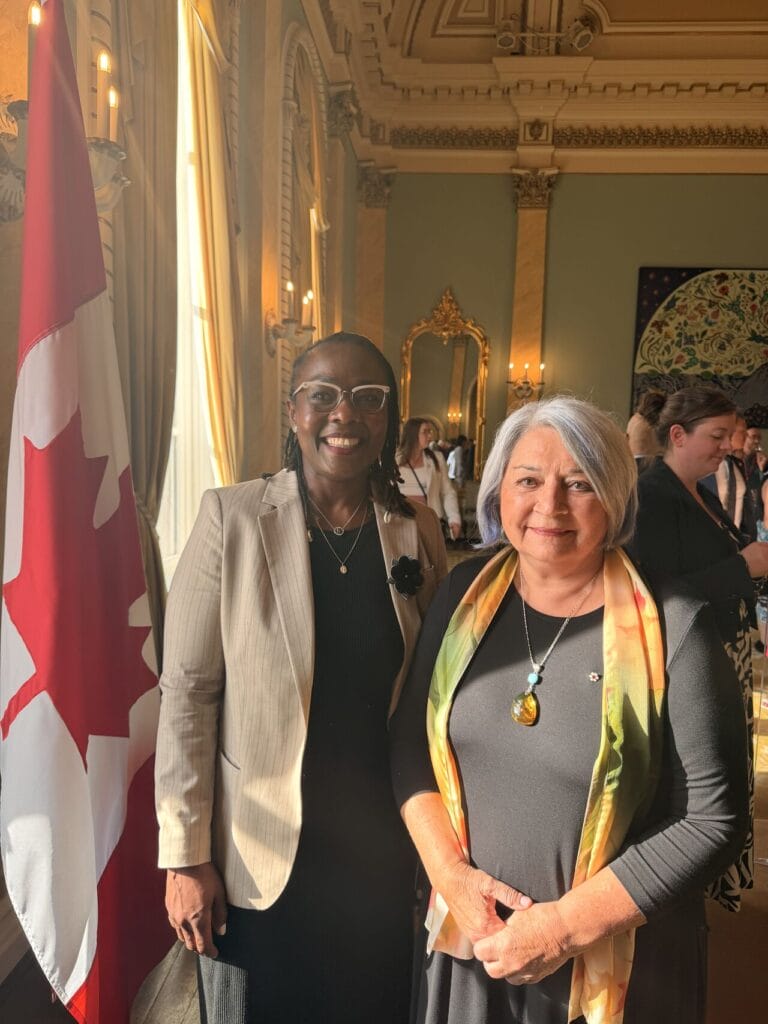
But wonder was not only about beauty. It was also confrontation. We sat with Elders who once introduced themselves by a number the government had assigned them, numbers we later saw again on a tuberculosis memorial. That history is not in the past. It lingered in every room we entered.
This is where reckoning began. We arrived believing sustainable prosperity was something built through accumulation. We were shown, gently and firmly, that it is something created by taking only what you need. We learned of systemic barriers in the labour market where unequal opportunity persists in ways that are difficult to name but impossible to ignore. We saw fragile systems held together by individuals shouldering far too much, with far too little.
And I thought about Nigeria. About my grandmother, about my father and how they lived. About my ethnic community, where prosperity was never measured in individual terms, where you shared what you had because that was simply what it meant to live among people. The parallels were not entirely comfortable. Neither were the gaps I recognized in both places.
I also need to be honest about something harder. I experienced a moment during this journey that I am still unpacking. A quiet, stinging form of discrimination. It came from within the very community that had shown me such generosity, and that complexity is part of why it is hard to sit with. I do not say this to draw any comparison to what Inuit communities have endured historically or continue to endure. That history is its own, and it is not mine to measure against. I share this only because real reflection must hold the difficult parts too, and because belonging is not a destination any of us have fully arrived at, including me.
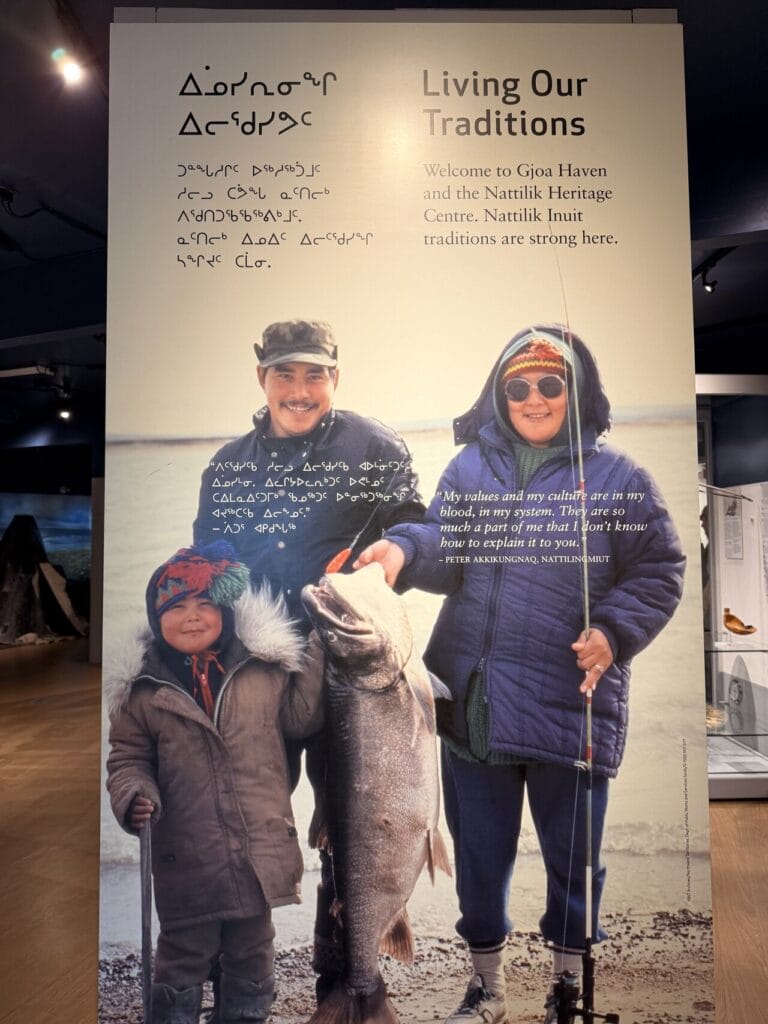
What I experienced did not erase the generosity I had already received, and it did not cancel out what came after. Responsibility met us there too. In one community, we witnessed an experienced leader intentionally mentoring a young Inuk mother toward future leadership. In another, we met a young woman who grew through youth athletics, pursued post-secondary education, and returned home to coach the same program that shaped her. Elsewhere, we heard from a young woman who went on to play hockey at the NCAA and professional level, speaking about what it means for young girls to see someone who looks like them succeed on a bigger stage.
Across every community, the pattern was the same. Lasting change happens when people invest in each other, especially in youth, and create room for them to grow into their own potential.
That sense of interconnectedness has stayed with me since I returned home. And in many ways, it mirrors the work we do every day at ISANS, the Immigrant Services Association of Nova Scotia. At its core, ISANS exists to support newcomers as they build their lives in Canada through language learning, employment pathways, and community integration. But beneath the programs and services, our work is about fostering belonging.
In Nunavut, I was reminded that belonging cannot be rushed or manufactured. It is built over time, through trust, through listening, and through a willingness to understand lived experiences that may be very different from our own. Newcomers to Canada carry something similar to what I felt arriving in Nunavut, the disorientation of entering a place with its own codes, histories, and unspoken rules, the labour of finding your footing while also trying to find yourself within a new context. What we owe them, what we owe each other, is not just programs and services. It is the effort to truly know one another.
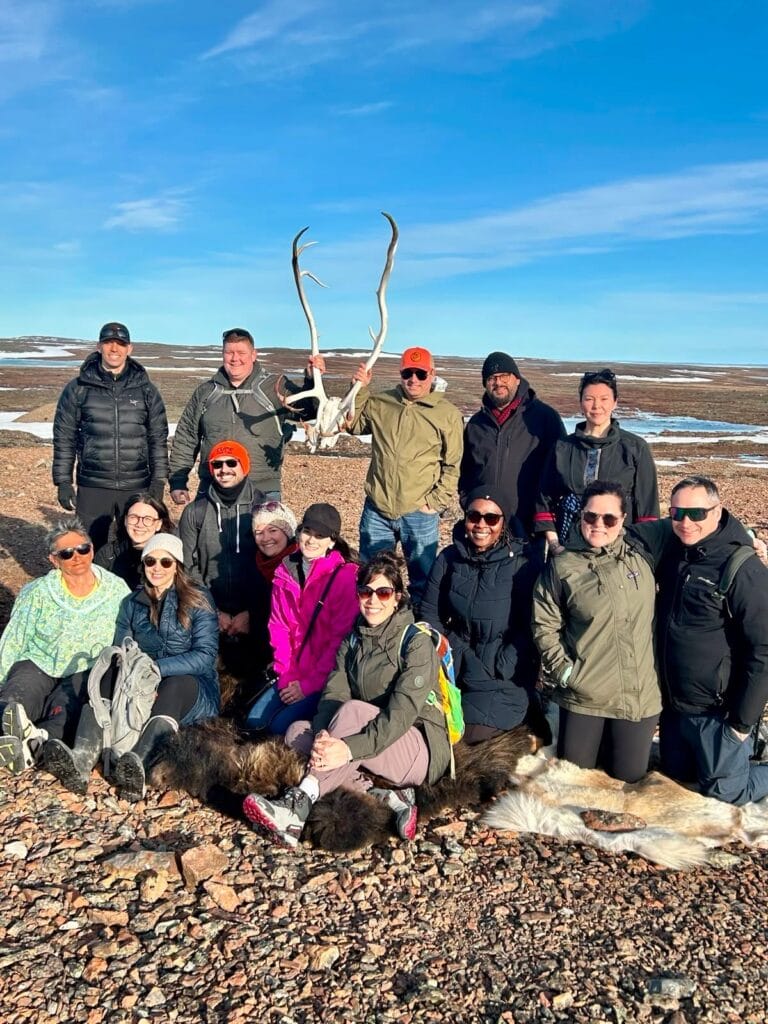
In Canada, we celebrate diversity often and loudly. But celebration is not the same as understanding. Understanding is slower, less comfortable, and requires us to sit with stories that challenge what we thought we knew rather than moving on too quickly.
Before we left Nunavut, our group made a commitment. To listen twice as much as we speak. To learn by arriving with humble curiosity. To lead by fostering empowerment and allowing communities to carve out their own future.
I left the North with more questions than answers, but with clarity about one thing. The work of building inclusive, thriving communities is shared work. It belongs to all of us.
And perhaps the most important step is also the simplest one. Taking the time to truly know each other.
That is what Nunavut gave me. And I do not take it lightly.
Share this