Marisa Carolina Enriquez Ramos’s: A journey of hope and healing
An ISANS Impact Story
Marisa Carolina Enriquez Ramos’s migration from Guatemala to Nova Scotia highlights the challenges faced by refugees with disabilities, particularly during the civil war, with pre-existing inequalities and human rights violations. Her journey reflects not only the struggle for safety and stability but also the additional barriers encountered by individuals with disabilities, who often face marginalization in both their home countries and host communities.
“It was a terrible situation in Guatemala. People killing each other. We were not able to provide necessities for our children,” Marisa shares her suffering. “I was cleaning at home and ate the leftover food I got. It severely affected our daily life and survival.”
Marisa and her family’s hearing impairment significantly complicated their immigration and integration into Canada, as they faced communication barriers, challenges in accessing necessary services, and difficulties in locating supportive networks that cater to their specific needs. Despite these challenges, Marisa’s unwavering determination to secure a brighter future for her daughters shines through, even with the deep emotional pain of being separated from her two sons in Guatemala.
“My daughter is going through medical examinations to see what exactly health issue she has. I remember when doctors said that she would have a short life period and may not survive for long. It was painful to hear, I used to check daily if she was breathing,” Marisa shares her worries. “I am trying to have my sons here with me. They want to live with me. We went to Mexico before coming here, we were not even able to communicate because of differences in sign languages, and no interpreter was available to help us, luckily someone voluntarily helped us.”
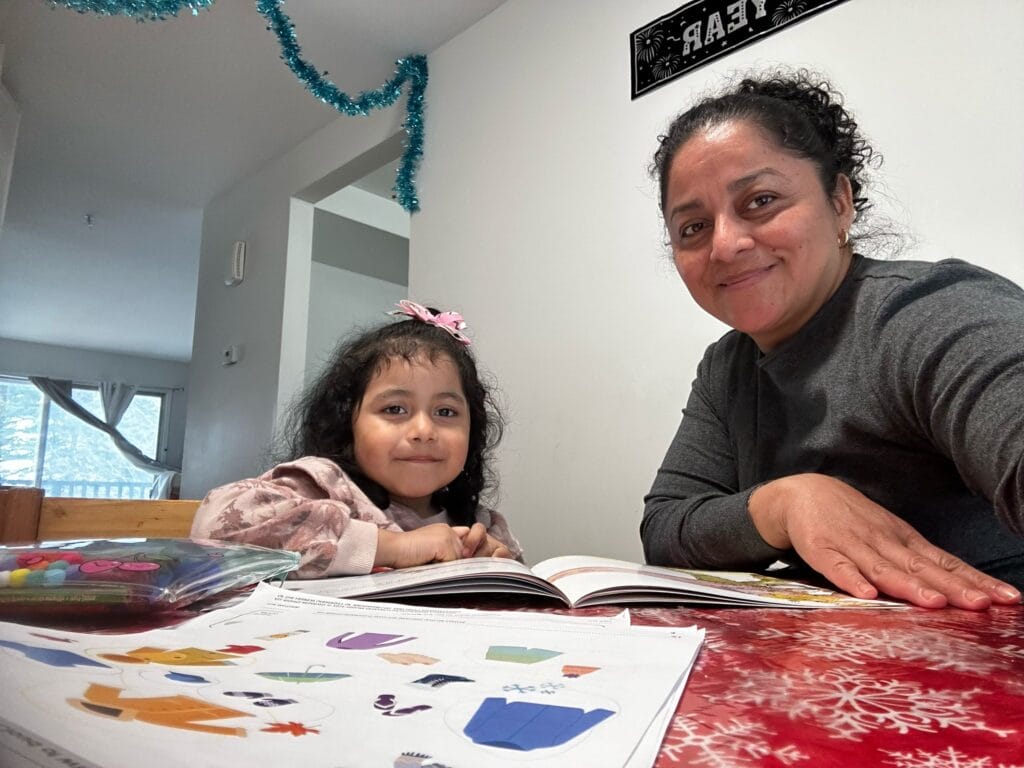
Marisa is engaged in ISANS’ settlement programs, which are empowering her family to create fulfilling lives while promoting inclusion, belonging, and community unity. ISANS literacy program and health navigation services have significantly contributed to her family’s successful integration, allowing them to settle into a peaceful life.
“I feel safe here. I am happy with my family. I like winter, and I enjoy snow. I take walks with my daughters. It makes me happy to see them smiling,” says Marisa. “I know life is not easy for refugees, but I see hope here and positivity around me. I am happy that I found ISANS; otherwise, we could have just lost.”
Her determination reflects not only a commitment to her children’s future but also the aspiration of refugees to belong and grow in a new environment.
“I feel safe here. I am happy with my family. I like winter, and I enjoy snow. I take walks with my daughters. It makes me happy to see them smiling,”
Share this: